



The social dynamics of gambling Understanding community influence and behavior
The Role of Community in Gambling
The influence of community on gambling behavior is profound. Local cultural norms and values often dictate how individuals perceive gambling, whether as a harmless pastime or a significant risk. These community perspectives can shape the likelihood of participation in gambling activities. For instance, in areas where gambling is celebrated, individuals may feel more encouraged to join in, leading to a collective engagement that promotes higher participation rates. When exploring exciting options like snackandco.in/en-in/, players can discover new ways to experience thrill and camaraderie.
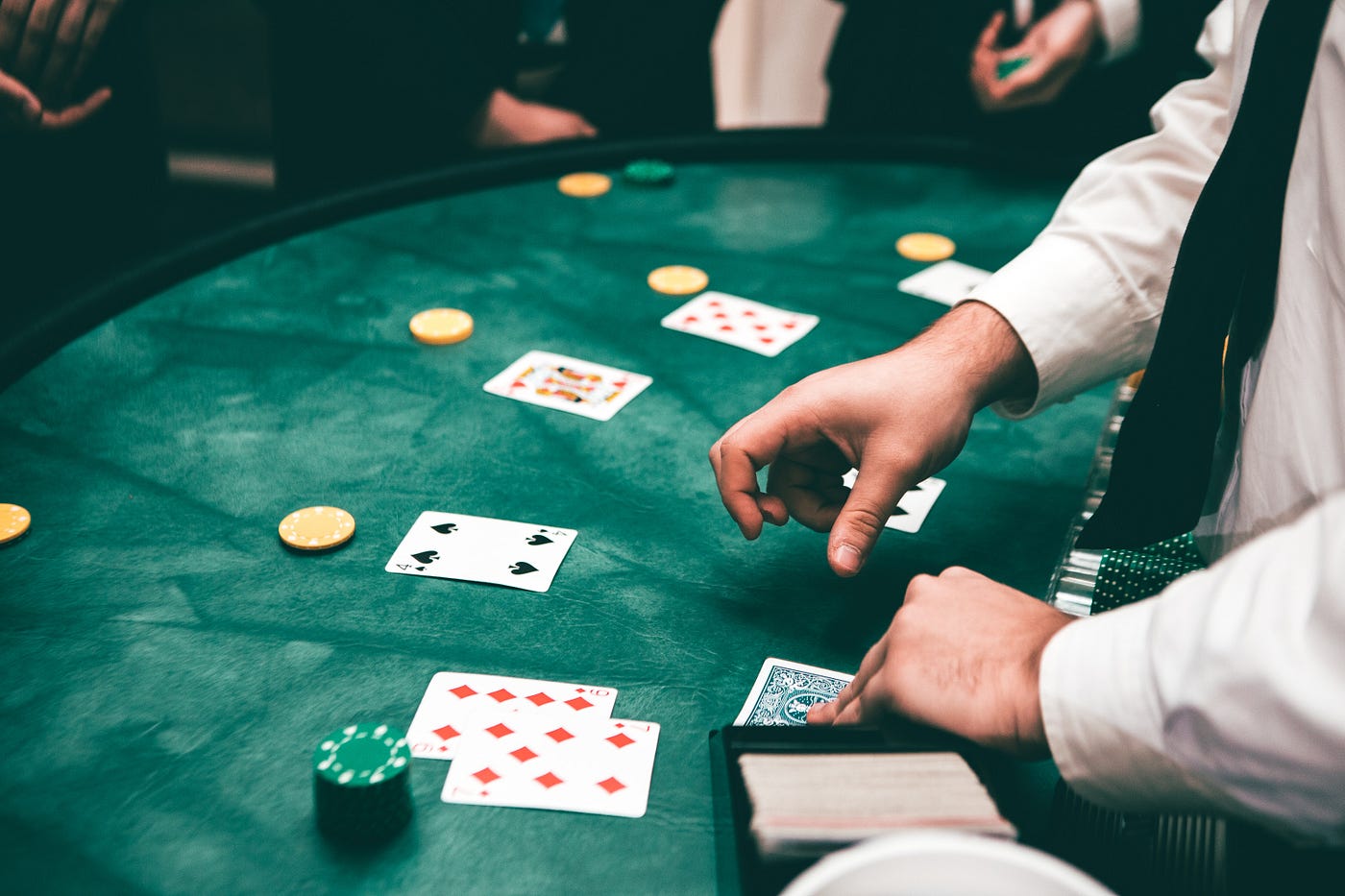
Moreover, social circles often reinforce gambling behaviors. Friends and family can have a considerable impact, encouraging individuals to partake in gambling activities, whether through casual games or more intense gambling experiences. The desire for social acceptance can push individuals into gambling environments, often leading to a shared experience that strengthens community bonds, despite the risks involved.
The Psychological Aspects of Gambling
The psychology behind gambling is complex, interwoven with emotional responses and cognitive biases. Gamblers may experience thrill and excitement, driving them to return repeatedly, especially in a community that normalizes such behavior. This thrill can be magnified in social settings, where the shared adrenaline can create a euphoric atmosphere, making individuals more likely to gamble again and again.
Cognitive biases, such as the illusion of control and gambler’s fallacy, also play crucial roles. Individuals may believe they can influence outcomes, which is often exacerbated by social influences. When surrounded by others who share similar beliefs or practices, the tendency to underestimate risks increases, solidifying the social dynamics that drive gambling behavior.
The Impact of Online Gambling Communities
The rise of online gambling platforms has transformed community dynamics significantly. Virtual environments allow individuals to connect with a broader audience, breaking geographical barriers. Online forums and social media groups enable gamblers to share strategies, experiences, and even emotional support, creating a sense of belonging that can foster increased gambling activity.
However, the digital landscape can also present challenges. The anonymity of online gambling can lead to increased risk-taking behavior as individuals may feel less accountable. The dynamic of community influence still exists, but it manifests differently in virtual settings, often leading to intense groupthink that can promote excessive gambling behaviors.
Responsible Gambling and Community Initiatives
As the understanding of gambling’s social dynamics grows, so does the emphasis on responsible gambling initiatives. Communities are increasingly recognizing the need to promote healthier gambling habits through educational programs and support networks. By fostering open discussions about the risks and realities of gambling, communities can better equip individuals to make informed decisions.
Furthermore, community initiatives aimed at combating gambling addiction often include support groups and outreach programs. These efforts not only provide resources for those struggling with addiction but also aim to shift the cultural narratives surrounding gambling, promoting a more balanced view of its potential benefits and harms.

Exploring Gaming Communities
Understanding the social dynamics of gambling can provide valuable insights for individuals and organizations alike. By examining how communities influence behavior, stakeholders can develop strategies that enhance positive engagement while mitigating risks. This exploration offers an opportunity for a more profound understanding of the intricate relationship between gambling and social interaction.
Engaging with local gaming communities allows individuals to share experiences, gain insights, and foster healthier environments. Promoting awareness and creating supportive networks can lead to more responsible gambling practices while enhancing the enjoyment derived from gaming activities. Through collaboration and understanding, communities can navigate the complex world of gambling together.